
The Power of Knowing When
Why Silence Can Be Stronger Than Words and Why Words Can Be Stronger Than Silence

Words are tools. Weapons. Gifts.
They can build bridges or they can burn them.
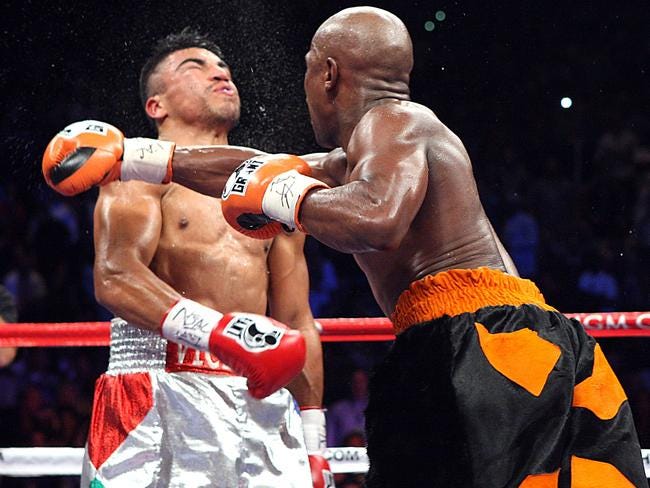
They can inspire global change or start arguments over who forgot to buy milk. But here’s the trick… sometimes the most powerful thing you can do with words is hold them back.
This week, I’ve been reminded again and again: silence is not weakness. It’s precision. It’s knowing when your voice will land and when it’ll scatter in the wind like dust. And yes… there’s a certain mischief in that, too.
Biding your time.. calculating your next move and when the moment is right…then… Strike!
When Silence Is Forced Upon You
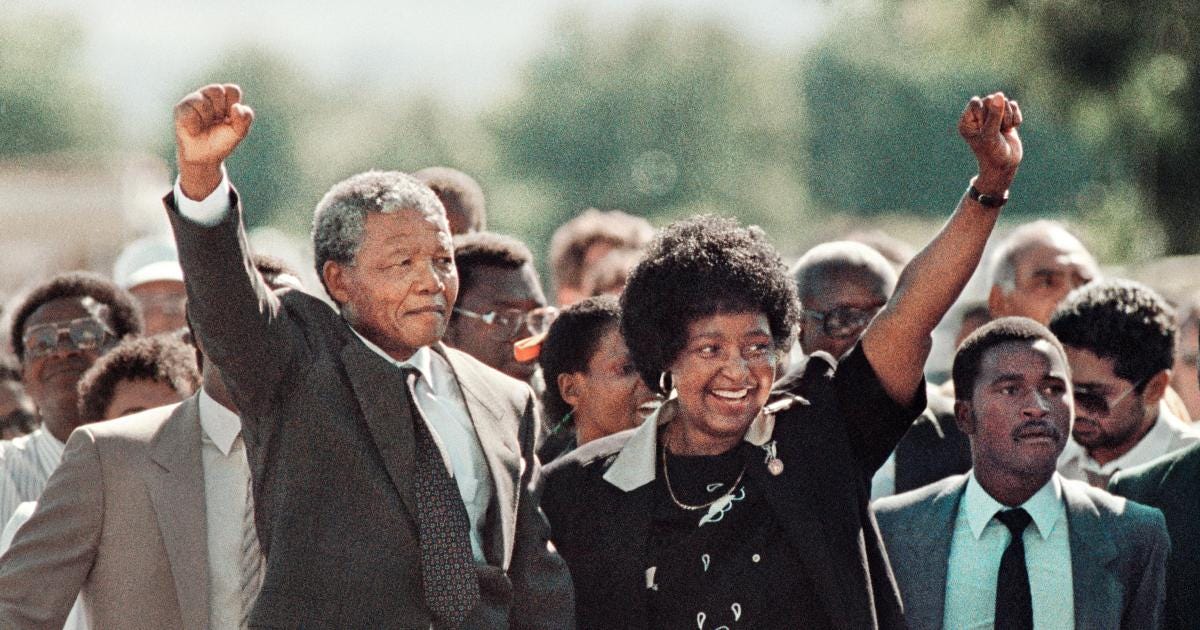
History is full of people whose voices were silenced, yet whose silence became their strength. Take Nelson Mandela: imprisoned for 27 years, cut off from the world he fought to change. Heartbreaking? Absolutely. Frustrating? Beyond measure. But during those long years, he didn’t lose his voice. He used the quiet to reflect, to strategise, and to emerge with the clarity and resilience to reshape a nation.
Psychologists call this agency… the ability to act in ways that shape your world, even when circumstances try to strip you down. Silence, in this sense, is not submission but strategy: a shield and a telescope all at once.
Even in enforced quiet, there’s a message. Sometimes it says, “We’re still here.” Sometimes, “We’re not done yet.” And sometimes, it’s just a cheeky “You think you’ve stopped me? Think again.”
The 7 Lessons of Everyday Speech & Silence
(Inspired by this week’s quotes from the Unshackled Journal: A Daily Diary for Inner Freedom)
Speak less, mean more
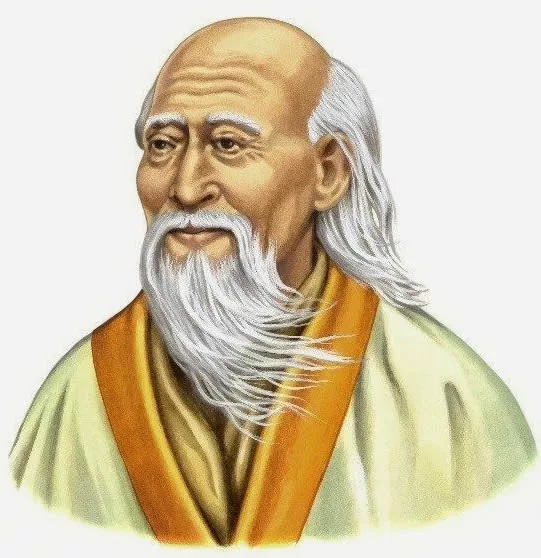
“Nature does not hurry, yet everything is accomplished.” — Lao Tzu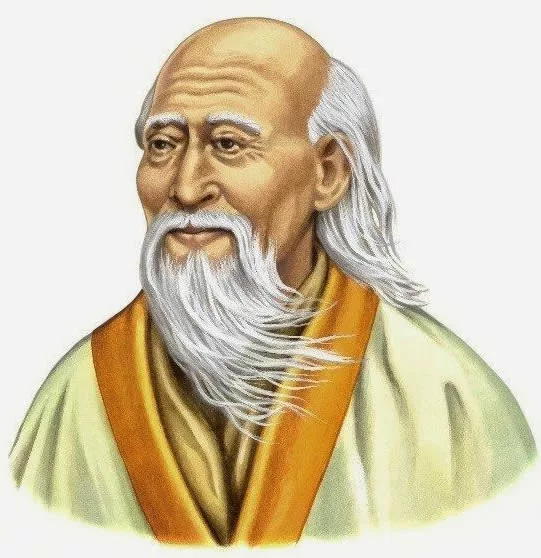
Skip the waffle at work, the endless WhatsApp rants, or that comment that will vanish like steam anyway. One well-chosen word can change the room… or at least make someone’s day. Slow, deliberate words carry weight; scatter them too quickly, and they’re gone like mist.
Example: Instead of ranting about the coffee machine being broken again, say, “We’ve got a kettle. I’ll make the coffee!,” and suddenly you’ve got a grin from everyone instead of a queue of scowls.The pause is power
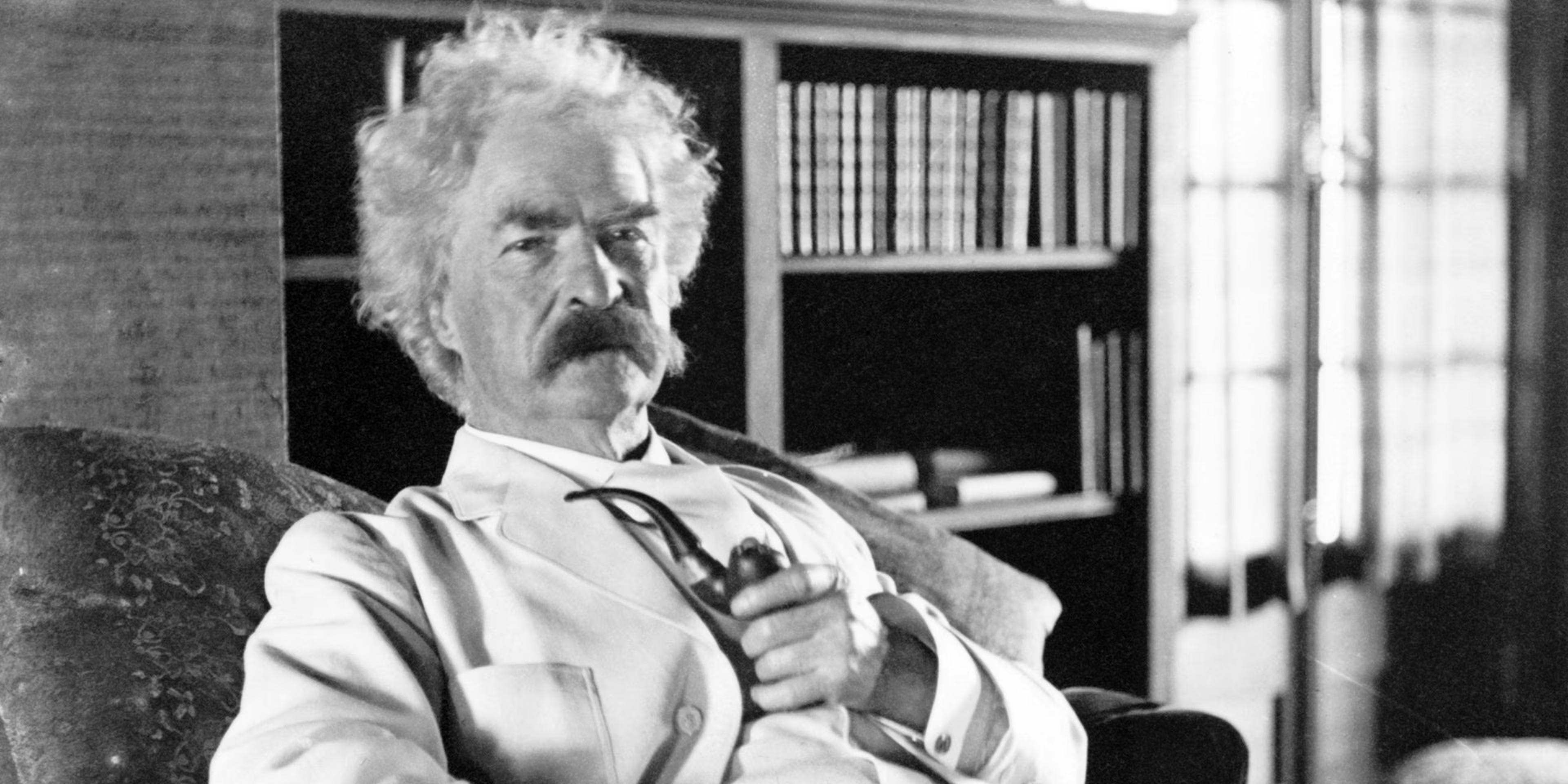
“Silence is sometimes the best answer.” — Mark Twain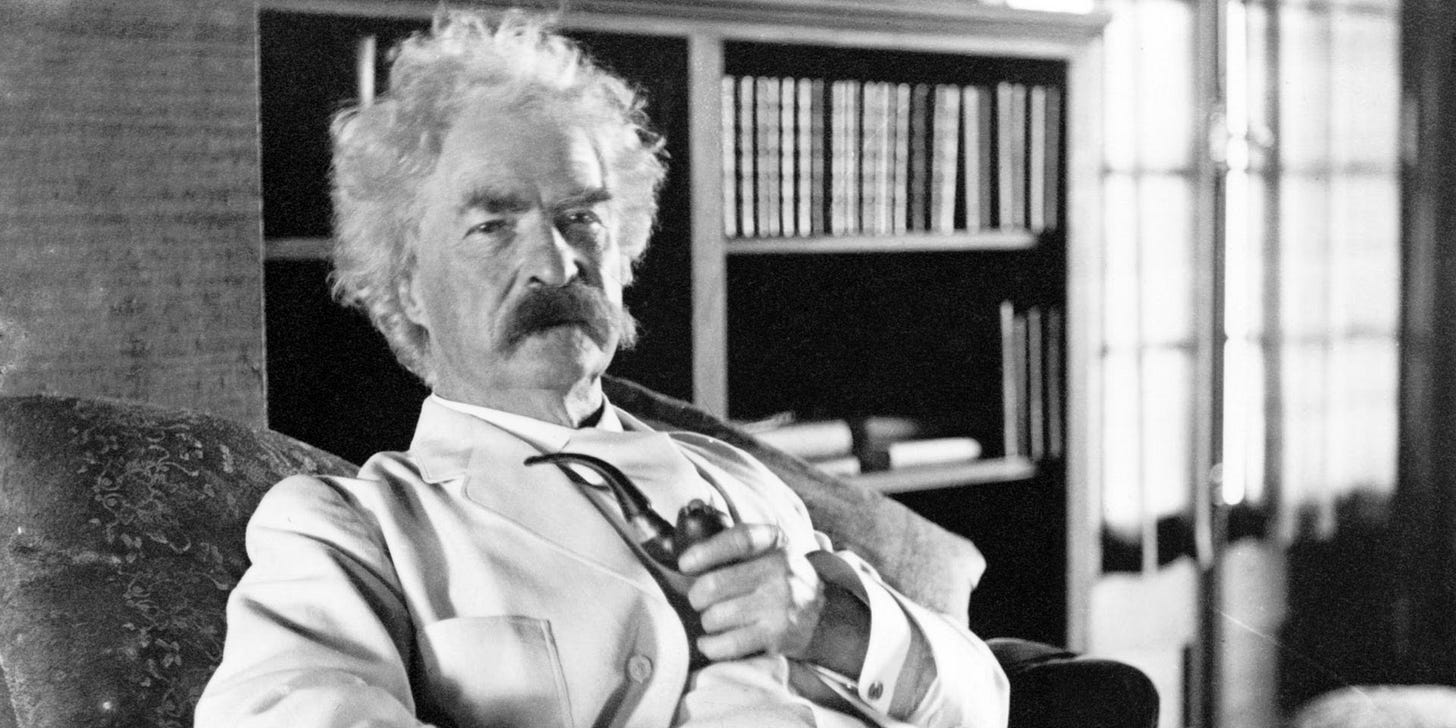
That pause before replying to a text, an email, or your neighbour’s questionable advice? That’s where clarity sits. Let reason step in, regret step out, and maybe sneak in a tiny smirk before you respond.
Example: When someone tries to provoke you on social media, wait. Let them hang themselves with their own words. You’ll get the last laugh without saying a word. It took me a long time to understand this and I found myself lacing the boxing gloves up for any fight on offer.Speak human
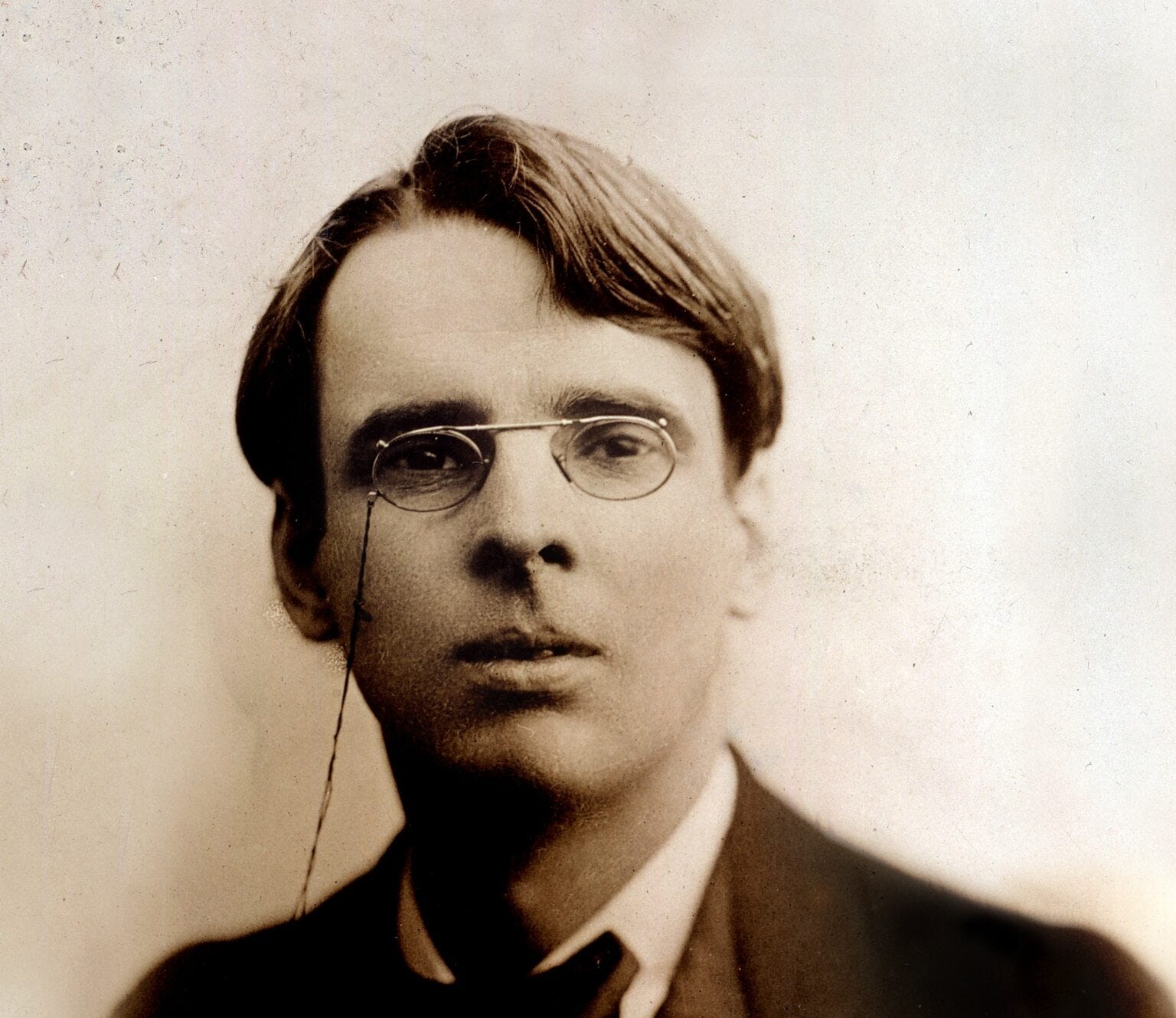
“Think like a wise man but communicate in the language of the people.” — W.B. Yeats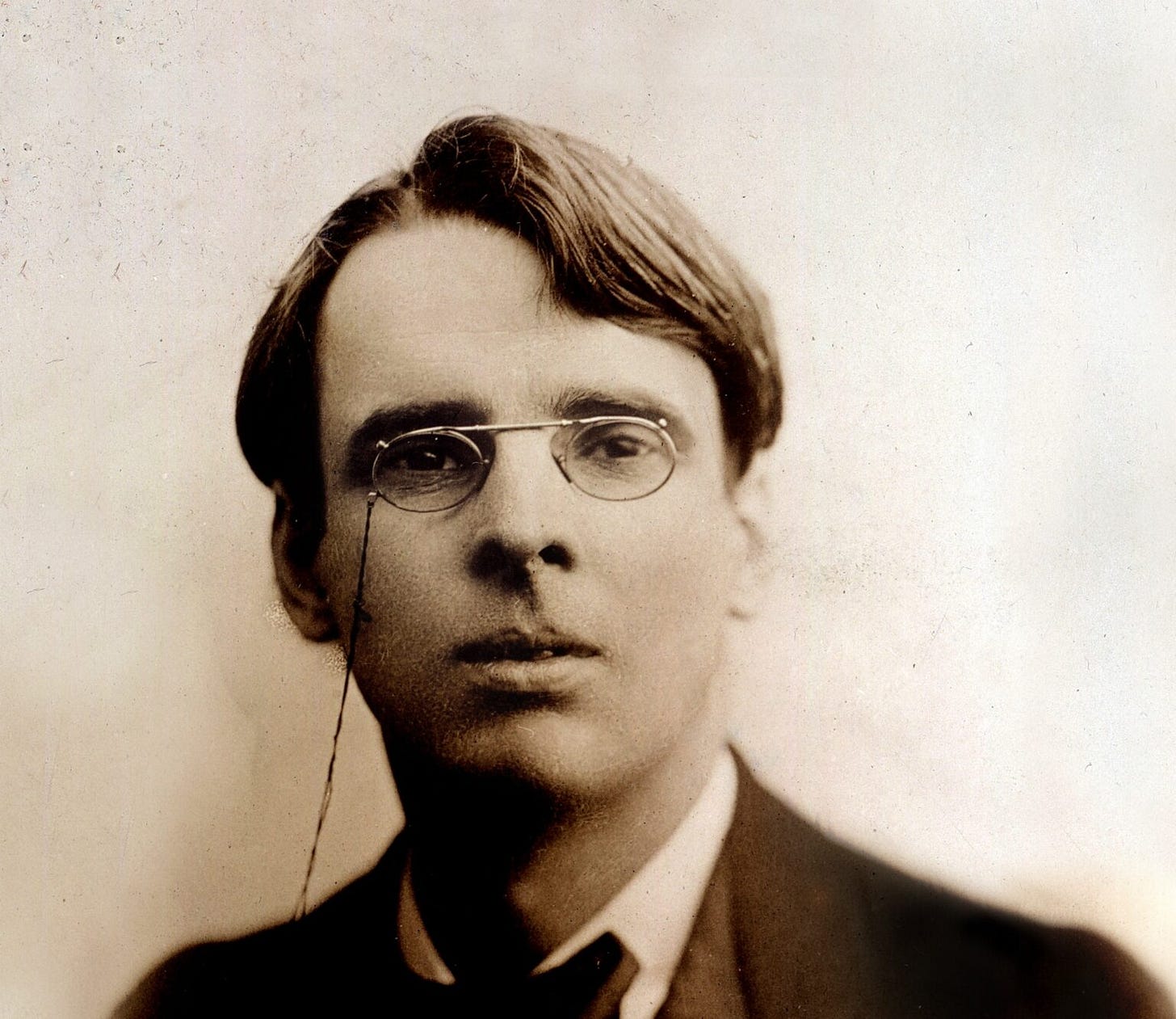
Drop the jargon, the pretence, the nonsense. Talk like you’d chat over a pint. People respond to presence and sincerity, not arrogance.
Example: Explaining a complicated idea? Imagine telling it to your granny… suddenly your brilliance lands, instead of bouncing off like a stone in a puddle.Three gates of speech
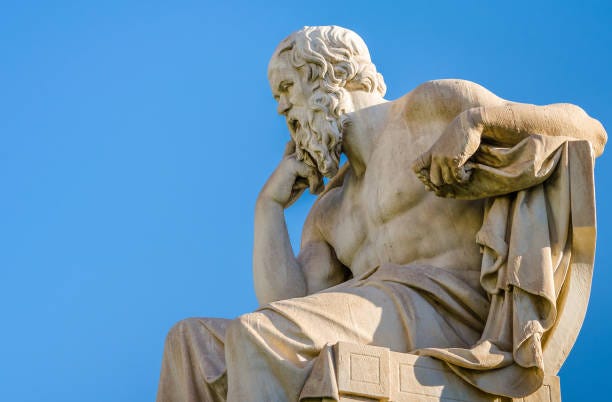
“Before you speak, let your words pass through three gates: Is it true? Is it necessary? Is it kind?” — Socrates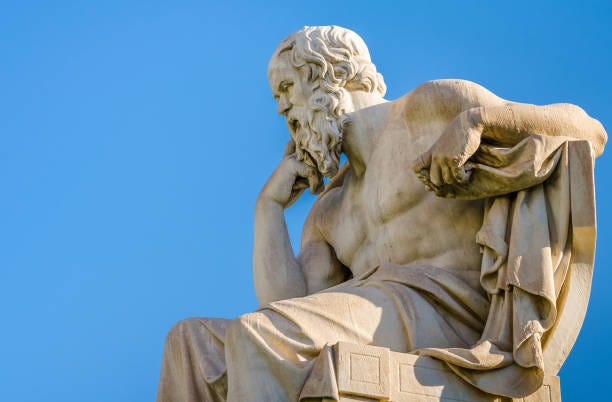
Not everything needs to be said, especially if it’ll cause more mess than a spilled Guinness. Filter it. Let the gold through, leave the dribble.
Example: That urge to correct someone’s tiny mistake in public? Bite your tongue. You’ll look smarter, kinder, and maybe save yourself a duel for no reason.The art of holding space
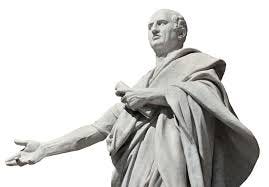
“Wise men speak because they have something to say; fools because they have to say something.” — Cicero
Give others the room to finish their thoughts. Listen properly. That pause, that attention, often leaves more of a mark than any clever line you could throw in.
Example: In a meeting, let a junior colleague finish their idea before you jump in. They’ll feel heard, and you’ll earn a silent ally… and maybe a good story to retell later.Brevity is legacy
“Use words sparingly, and let them be like coins that retain their value.” — François Fénelon
Say less. Mean more. Life’s too short to waffle, and attention spans are shorter than a cat nap. Leave them wanting a bit more… like the best performers do
Example: Instead of a long email explaining your weekend exploits, say: “Survived the chaos. Learned a lot. Catch up later?” Boom… intrigue, conciseness, impact.Listening is influence
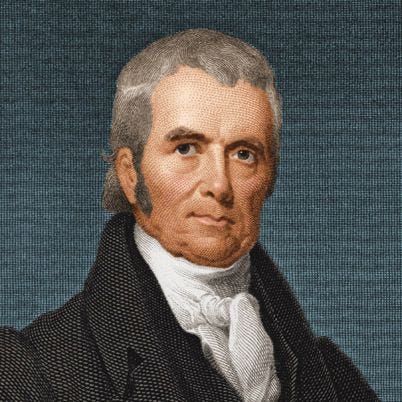
“The most basic of all human needs is the need to understand and be understood.” — John Marshall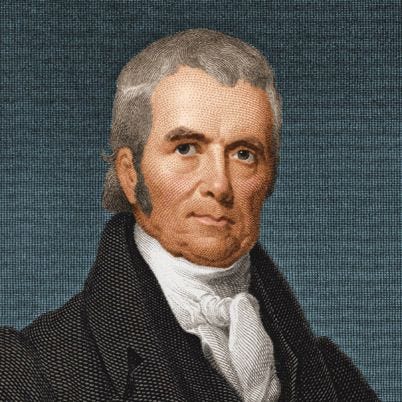
Truly listening is the ultimate power move. Let someone speak, watch their face, nod, laugh when appropriate. Influence grows not because you talked, but because you witnessed another person… quietly, fully, mischievously.
Example: Your mate goes on about a drama at work. Don’t interrupt. Nod, chuckle at the right points, and you’ll leave them feeling lighter… and secretly impressed by your rogue-level patience.
Everyday Magic in Action
Pause before replying to that cranky coworker, let someone else shine in a meeting, hold back the snark, drop the perfect quip when it lands hardest. Transform moments with your words… or your silence… and watch small, ordinary exchanges turn unexpectedly powerful.
Even in tough times, silence can be taken, but meaning cannot. Speech can be denied a stage, but it cannot be denied impact.
And maybe that’s the real power: not just knowing what to say, but knowing when not to… and smiling all the while.
Stay Unshackled, My Friends,
Stephen